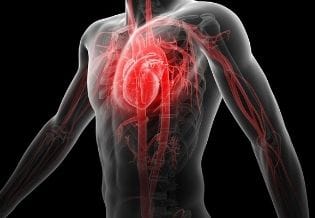
Submit Your Cardiovascular Physiology Research
Join leading physiologists advancing our understanding of cardiac function, hemodynamics, and cardiovascular regulation
Two Convenient Submission Methods
We offer flexible submission options designed to accommodate your workflow preferences. Choose the method that works best for your research submission needs.
ManuscriptZone Portal
Our comprehensive manuscript management system provides full tracking and communication capabilities throughout the peer review process.
- Real-time submission status tracking
- Auto-save functionality for multi-session submissions
- Direct communication with editors and reviewers
- Access to reviewer comments and revision requests
- Guided workflow with step-by-step instructions
- Secure document management and version control
Best for: Authors seeking complete manuscript tracking and those submitting complex studies with multiple revisions expected.
Submit via ManuscriptZoneQuick Submission Form
A streamlined, single-page submission process for straightforward manuscripts that don't require extensive tracking.
- Simple one-page form submission
- No account registration required
- Fast upload for ready manuscripts
- Immediate confirmation email
- Ideal for time-sensitive submissions
- Direct file upload without portal navigation
Best for: Authors with complete, ready-to-submit manuscripts who prefer a simplified submission experience.
Use Quick Submission FormCardiovascular Physiology Article Types
We welcome diverse contributions that advance understanding of cardiac and vascular physiology. Our expert reviewers specialize in evaluating mechanistic studies, physiological modeling, and translational cardiovascular research.
Original Research Articles
Comprehensive studies investigating cardiac electrophysiology, myocardial contractility, hemodynamic regulation, vascular function, or cardiovascular system modeling.
Methodological Papers
Novel techniques for cardiovascular measurement, imaging modalities, physiological monitoring systems, or computational modeling approaches for cardiac function analysis.
Systematic Reviews
Comprehensive syntheses of cardiovascular physiology literature, meta-analyses of hemodynamic parameters, or integrative reviews of cardiac regulatory mechanisms.
Short Communications
Preliminary findings on cardiac physiology, novel observations in vascular regulation, or time-sensitive cardiovascular research updates requiring rapid dissemination.
Case Reports
Unique physiological presentations, rare cardiovascular phenomena, or instructive cases demonstrating novel aspects of cardiac or vascular function.
Review Articles
State-of-the-art reviews on cardiovascular physiology topics, critical evaluations of current understanding in cardiac function, or perspectives on emerging areas in vascular biology.
Note: All cardiovascular physiology manuscripts undergo rigorous peer review by experts in cardiac electrophysiology, hemodynamics, vascular biology, and cardiovascular system modeling to ensure scientific rigor and mechanistic insight.
Pre-Submission Checklist
Ensure your cardiovascular physiology manuscript is complete before submission. This checklist helps streamline the review process and reduces delays.
Complete manuscript in Word (.docx) or LaTeX format with all sections properly structured
High-resolution figures (300 DPI minimum) in TIFF, EPS, or PNG format; tables in editable format
IRB/IACUC approval letters for human or animal studies; ethics statement included in manuscript
Complete author list with affiliations, ORCID IDs, and corresponding author contact details
Declaration of financial or non-financial competing interests from all authors
Letter highlighting significance of cardiovascular findings and confirming all authors approved submission
All citations properly formatted and complete; cardiovascular physiology literature appropriately cited
Statement on data sharing; physiological datasets deposited in appropriate repositories when applicable
Peer Review Timeline
Our transparent peer review process ensures rigorous evaluation by cardiovascular physiology experts while maintaining efficient timelines. Track your manuscript through each stage.
Submission & Initial Screening
Your cardiovascular physiology manuscript undergoes initial editorial screening for scope, completeness, and adherence to guidelines. Plagiarism check performed using iThenticate.
3 daysEditor Assignment
An editor with expertise in your specific area of cardiovascular physiology (cardiac electrophysiology, hemodynamics, vascular function, etc.) is assigned to manage the review process.
2 daysPeer Review
Expert reviewers with specialized knowledge in cardiovascular physiology evaluate your manuscript's methodology, physiological interpretations, and scientific rigor. Typically 2-3 reviewers per manuscript.
21 daysEditorial Decision
Based on reviewer feedback, the editor makes a decision: Accept, Minor Revisions, Major Revisions, or Reject. Detailed reviewer comments provided to guide any necessary revisions.
28 days totalRevision & Re-review
If revisions requested, submit your revised manuscript with point-by-point response to reviewer comments. Re-review by original reviewers ensures all concerns addressed.
14 daysAcceptance & Production
Upon acceptance, your cardiovascular physiology research enters production for copyediting, typesetting, and final formatting. Proofs provided for author approval.
10 daysPublication
Your article is published online with immediate open access. Your research gains worldwide visibility through indexing in Google Scholar, connecting it with the global scientific community.
~60 days totalWhy Cardiovascular Physiologists Choose Us
We provide the infrastructure, expertise, and visibility your cardiovascular physiology research deserves. Our commitment to rigorous peer review and open access ensures your work reaches the global physiology community.
Expert Reviewers
Peer review by cardiovascular physiology specialists with deep expertise in cardiac function, hemodynamics, and vascular biology
Fast Decisions
Average 21 days to first decision with transparent timelines throughout the review process
Global Indexing
Your research gains worldwide visibility through indexing in Google Scholar, connecting it with the global scientific community.
Open Access
Immediate worldwide access to your cardiovascular physiology research with no subscription barriers
High Acceptance
61% acceptance rate reflecting our commitment to publishing quality cardiovascular physiology research
APC Waivers
Financial support available for eligible authors from low-income countries or without institutional funding
COPE
Committed to highest ethical standards in cardiovascular physiology publishing through Publication Ethics
Impact Metrics
Article-level metrics and altmetrics tracking to measure the impact of your cardiovascular research
Submission Requirements for Cardiovascular Studies
Manuscript Preparation
Your cardiovascular physiology manuscript should follow standard scientific structure with clear presentation of physiological methods, results, and mechanistic interpretations.
- Title: Concise and descriptive, clearly indicating the cardiovascular system or physiological process studied
- Abstract: Structured abstract (Background, Methods, Results, Conclusions) not exceeding 300 words
- Keywords: 4-6 keywords relevant to cardiovascular physiology for optimal indexing
- Introduction: Clear physiological context and rationale for the study
- Methods: Detailed description of physiological measurements, animal models, or experimental protocols enabling reproducibility
- Results: Clear presentation of physiological data with appropriate statistical analysis
- Discussion: Interpretation of findings in context of cardiovascular physiology literature
- References: Comprehensive citation of relevant cardiovascular physiology literature
Ethical Requirements
All cardiovascular physiology research involving human subjects or animal models must meet ethical standards:
- Human Studies: IRB approval required; informed consent obtained; Declaration of Helsinki compliance
- Animal Studies: IACUC approval required; ARRIVE guidelines followed for reporting
- Data Integrity: Original physiological data; no image manipulation beyond linear adjustments
- Competing Interests: Full disclosure of financial or non-financial conflicts related to cardiovascular research
Figure and Table Guidelines
High-quality visual presentation of cardiovascular physiology data is essential:
- Figures: Minimum 300 DPI resolution; TIFF or EPS format preferred; clear axis labels and legends
- Physiological Traces: ECG, pressure waveforms, or other recordings should be clearly labeled with time and amplitude scales
- Statistical Graphs: Error bars clearly defined (SEM or SD); sample sizes indicated
- Tables: Editable format (Word or Excel); clear headers; physiological parameters with appropriate units
Ready to Submit Your Cardiovascular Physiology Research?
Join the community of physiologists advancing our understanding of cardiac and vascular function. Our expert editors and reviewers are ready to evaluate your contribution to cardiovascular physiology.
Submit via ManuscriptZone Quick Submission Form
Need assistance with your submission? Our editorial team is here to help: [email protected]